Moon Phase Meditation: A Simple Practice for Every Stage of the Cycle
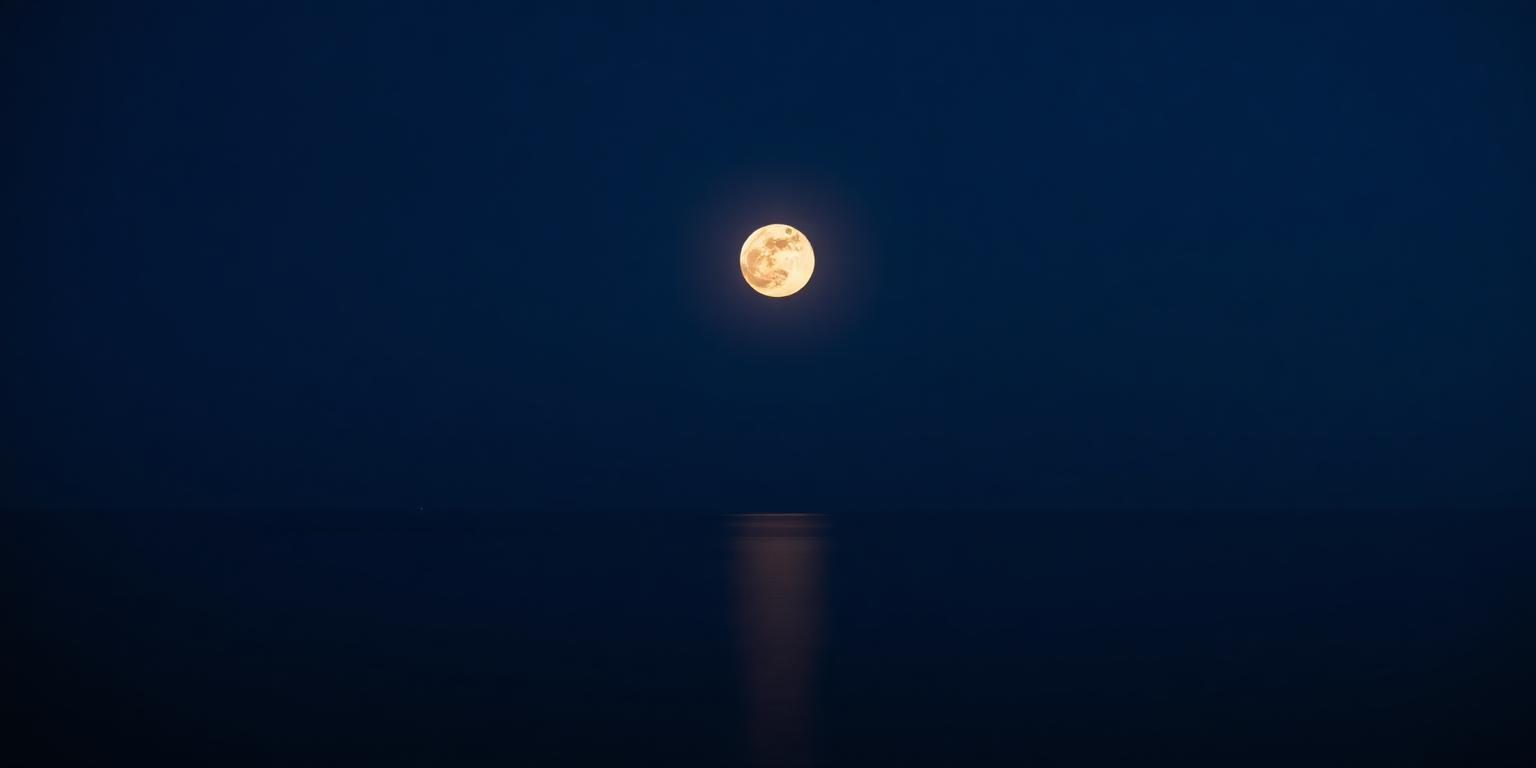
The full moon is one of the most emotionally charged moments in the lunar cycle. Even people who don't follow astrology often notice they feel more restless, more alert, or more emotionally raw around the full moon. Tonight, you can check today's moon phase in real time — and then come back here to try the practice below.
This article offers a simple, science-adjacent approach to full moon meditation — one that doesn't require any particular belief system. Just your breath, your attention, and a few minutes of quiet.
Why Meditate With the Moon?
The lunar cycle is approximately 29.5 days long — close enough to a month that many cultures across history used it as a natural calendar for rest, intention, and reflection. Modern mindfulness research consistently shows that having an external rhythm or "anchor" for a practice (a time of day, a weekly routine, a seasonal marker) dramatically increases adherence over time.
The moon is simply a very reliable anchor. It's free, it's always there, and it moves through recognizable phases that naturally evoke different emotional tones:
- New moon: darkness, possibility, beginnings
- Waxing crescent and gibbous: building energy, action, momentum
- Full moon: peak visibility, heightened emotion, integration
- Waning: release, rest, letting go
Using each phase as a cue for a slightly different meditation practice creates a monthly rhythm that feels intuitive rather than forced.
A Simple Meditation for Each Phase
You don't need to do all four. Start with the one that matches where the moon is tonight — check the current phase at fasesdalua.com.
🌑 New Moon — Setting Intention (5 minutes)
Sit comfortably in a quiet space. Close your eyes.
Take 3 slow breaths: inhale for 4 counts, exhale for 6 counts.
Ask yourself silently: What do I want to invite into the next 30 days?
Don't force an answer. Let it arise naturally.
When something surfaces — a word, an image, a feeling — hold it gently for 2 minutes.
Close by placing one hand on your chest and taking one slow breath for this intention.
🌓 Waxing Moon — Building Focus (7 minutes)
Sit with a straight spine. Close your eyes.
Bring to mind something you are actively working on or building right now.
For 5 minutes, simply breathe and visualize this thing in its completed, flourishing state.
If your mind wanders, return to the image without judgment.
Close by asking: What is one small action I can take today toward this?
🌕 Full Moon — Integration and Gratitude (10 minutes)
If possible, sit where you can see or feel moonlight. If not, that's fine.
Take 5 slow breaths to arrive.
Spend 3 minutes reviewing the past two weeks. What happened? What showed up — expected or not?
Spend 3 minutes in gratitude for anything from this period — large or small.
Spend the final 3 minutes simply being. No agenda. Just breathing in the light — literal or imagined.
🌘 Waning Moon — Releasing (7 minutes)
Sit comfortably. Close your eyes.
Ask yourself: What am I ready to let go of? This could be a habit, a belief, a resentment, or just exhaustion.
For 5 minutes, breathe slowly and, with each exhale, imagine releasing that thing — like smoke dissolving, or a wave pulling back from the shore.
Close with one full breath: inhale what you want to keep, exhale what you're releasing.
Can Meditation Actually Reduce Lunar Restlessness?
Some people sleep worse around the full moon. The evidence for this is suggestive but not definitive — some studies point to reduced deep sleep near the full moon, though the reasons (increased light exposure? biological rhythms?) are still debated. What is well established is that a short wind-down meditation before sleep reduces cortisol, slows heart rate, and improves sleep onset — regardless of what phase the moon is in.
So whether or not the moon is directly affecting you, a meditation practice around it is simply good sleep hygiene with a poetic frame.
Want guided audio meditations on every new and full moon?
Discover Pausar Premium → A 52-week mindfulness program with monthly lunar meditations.
Related reading
- Full Moon Ritual: A Mindfulness-Based Approach — a structured monthly ritual grounded in mindfulness science.
- Full Moon Meditation: A Science-Based Practice — the research behind lunar meditation.
- Moon Phases and Sleep: What the Research Actually Shows — a balanced look at the mixed evidence.
- Does the Full Moon Really Affect Sleep? What Science Says — how the full moon impacts rest and what helps.
- Using the Lunar Cycle to Structure an Anxiety Mindfulness Practice — a four-phase structure for managing anxiety.
Frequently asked questions
Do I need to be outside to do a full moon meditation?
No. The practice works indoors. If you can see the moon from a window, that's a nice addition, but it's not required.
How long should a lunar meditation be?
Even 5 minutes is beneficial. The practices in this guide range from 5 to 10 minutes — plenty to shift your nervous system into a calmer state.
Can I do this if I don't believe in astrology?
Yes. These practices are grounded in mindfulness, not astrology. The moon phases are simply a natural rhythm you're using as a scheduling tool for self-reflection.
When is the next full moon?
Check the exact date and time for your location at fasesdalua.com.