Full Moon Meditation: A Science-Based Practice
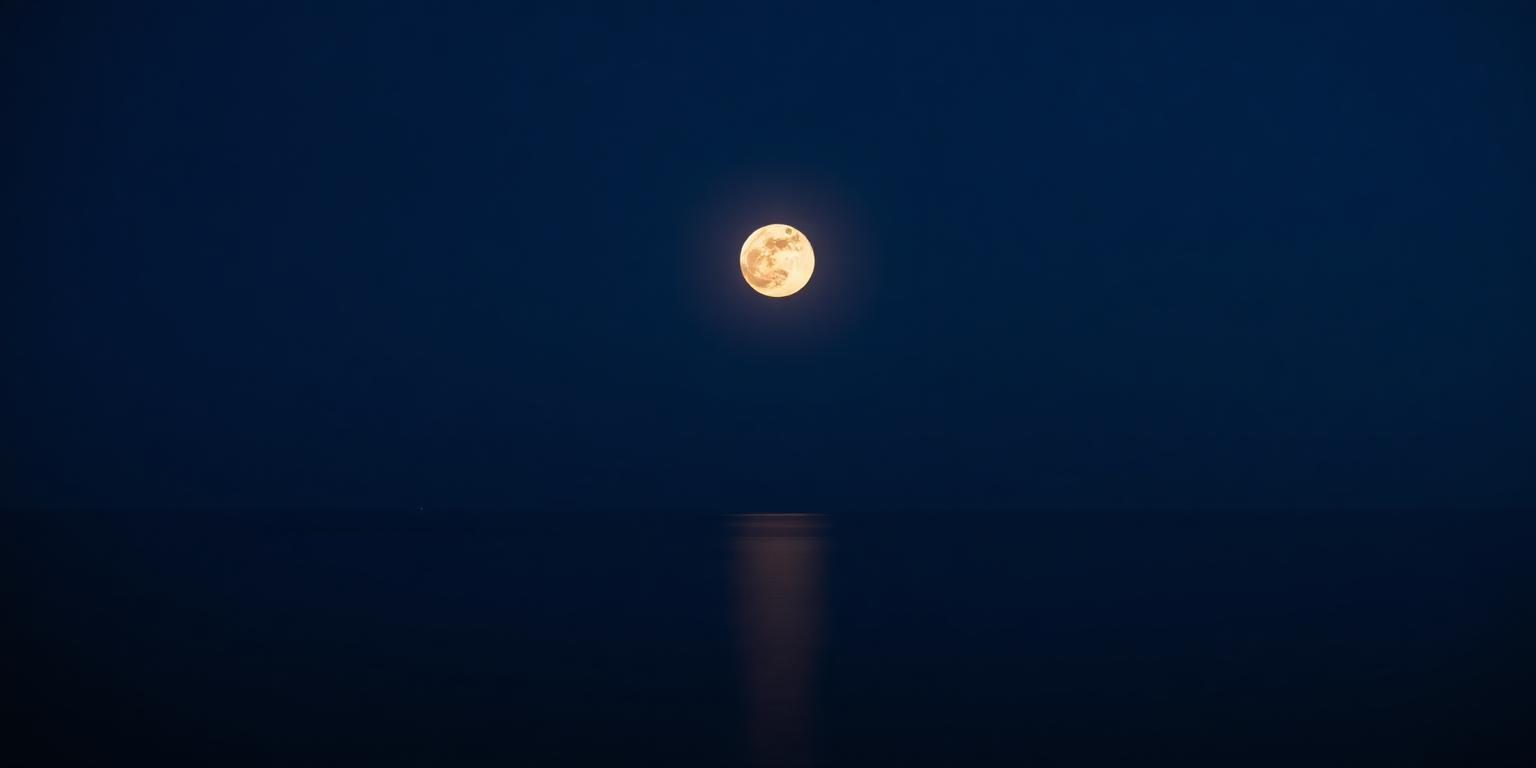
The full moon has marked human time for as long as there have been humans to notice it. Every major contemplative tradition has incorporated lunar rhythms into practice. This is not coincidence.
But you don't need to believe in anything mystical to benefit from a full moon meditation practice. The science offers its own reasons — and they're worth knowing.
What research shows about the full moon
A study published in Current Biology (Cajochen et al., 2013) found that around the full moon, participants in controlled sleep laboratory conditions showed 30% reduction in deep sleep activity, took 5 minutes longer to fall asleep, and slept 20 minutes less overall — even with no access to moonlight or knowledge of the lunar phase.
Further research has documented correlations between full moon periods and increased emotional arousal, changes in cortisol patterns, and shifts in autonomic nervous system activity.
The mechanisms are not fully understood. But the data suggests lunar rhythms are not merely cultural artifacts — they may interact with genuine physiological cycles.
Why this matters for meditation
If the full moon period correlates with heightened arousal and lighter sleep, it is precisely the moment when a grounding practice is most useful — not because the moon is mystically powerful, but because your nervous system may be running slightly hotter.
A mindfulness practice anchored to the lunar cycle provides what all good practice needs: a regular, predictable rhythm.
Full moon meditation practice
Setting: Outdoors under moonlight if possible. Indoors by a window. Anytime within the 48 hours surrounding the full moon.
Duration: 15–20 minutes.
The practice:
Begin seated. Take three slow complete breaths, exhaling fully each time.
Bring awareness to the body — weight, contact with the ground, temperature of the air. You are here, in this moment, under this sky.
Notice what is present emotionally. Not to analyze it — simply to acknowledge it. The full moon period tends to surface what has been circulating beneath awareness. Let it be visible without needing to resolve it.
Spend 10 minutes in simple breath awareness: following the natural rhythm of breath without controlling it. When the mind wanders, return gently.
Close with an intention for the coming lunar month. Not a goal — an intention. A quality you wish to cultivate.
Related reading
- Full Moon Ritual: A Mindfulness-Based Approach — a structured monthly ritual grounded in mindfulness science.
- Moon Phase Meditation: A Simple Practice for Every Stage of the Cycle — guided steps for all four lunar phases.
- Moon Phases and Sleep: What the Research Actually Shows — the broader picture of studies for and against a lunar sleep effect.
- Does the Full Moon Really Affect Sleep? What Science Says — the evidence, caveats, and practical fixes.
Frequently asked questions
Does the full moon really affect sleep?
Yes — a 2013 Swiss study (Cajochen et al., Current Biology) found around 30% reduction in deep sleep activity, 5 minutes longer to fall asleep, and 20 minutes less total sleep around the full moon, even in controlled lab conditions with no moonlight exposure.
How long should a full moon meditation last?
About 15 to 20 minutes is enough. You can practice anytime within the 48 hours surrounding the full moon, ideally outdoors under moonlight or by a window.
Do I need to believe in anything mystical to benefit from it?
No. The benefits come from a regular grounding practice during a period when the nervous system tends to run slightly hotter. The lunar cycle simply provides a predictable rhythm.