Full Moon Ritual: A Mindfulness-Based Approach
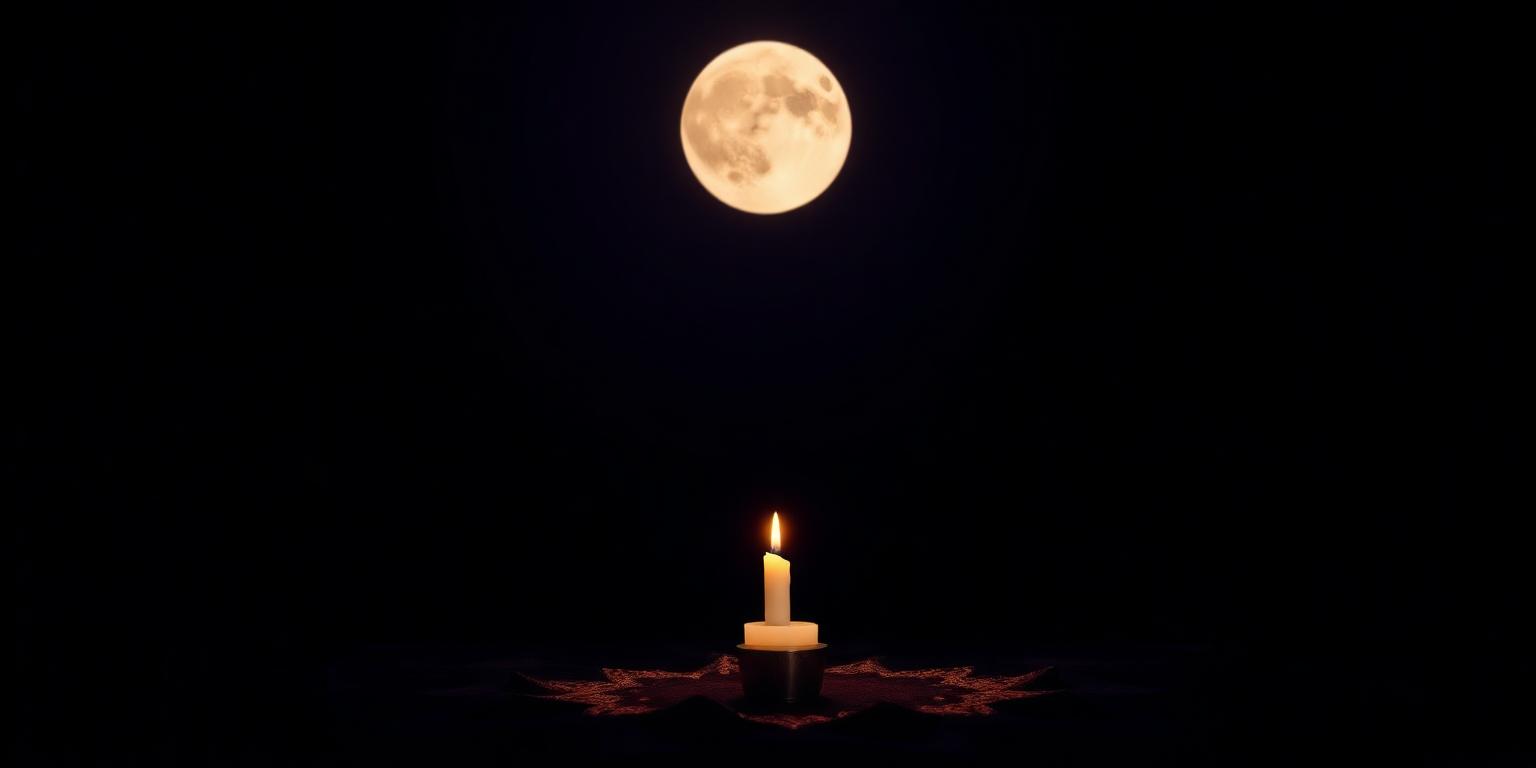
The word "ritual" makes some people uncomfortable. It sounds religious, or mystical, or like something requiring belief they don't have.
But ritual, in its most basic sense, is simply a deliberate, repeated act that marks meaning. And the research on ritual is unambiguous: ritualized behavior measurably reduces anxiety, increases sense of control, and improves performance under stress — regardless of whether the ritual has any metaphysical content.
You don't need to believe in the moon's power to benefit from a monthly mindfulness practice organized around it. You just need to show up, consistently, at the same point in each cycle.
Why structure a practice around the full moon
Monthly rhythm is more sustainable than daily practice for many people — especially those who resist rigid daily schedules. The full moon provides a natural, recurring marker that doesn't require a calendar reminder.
It also corresponds to a physiological moment worth marking: research on the full moon and sleep quality — including a well-known 2013 study — is covered in detail in our science-based guide to full moon meditation. This is precisely when a grounding, integrative practice is most valuable.
The practice: full moon mindfulness ritual
Duration: 30–45 minutes. Once per lunar month.
Setup: A quiet space. Something to write with. Whatever makes the space feel intentional for you — candlelight, outdoor setting, silence.
Part 1 — Grounding (5 minutes)
Begin with a brief body scan: move attention slowly from feet to head, noticing physical sensation without trying to change anything. This transitions the nervous system from doing to being.
Part 2 — Reviewing (10 minutes)
Reflect on the past lunar month. Without judgment, simply observe: What happened? What did you face? What did you learn — even if the learning was difficult? What are you grateful for? This is not analysis. It is bearing witness to your own experience.
Part 3 — Sitting (10–15 minutes)
Formal mindfulness meditation. Follow the breath. When the mind wanders — to what you reviewed, to what's coming, to anything — gently return to the breath. The full moon period tends to produce more mental activity. This is not a problem. It is the practice.
Part 4 — Releasing and intending (5–10 minutes)
Write: What am I ready to release from this lunar cycle? What intention do I carry into the next? These two questions — releasing and intending — mirror the structure of the lunar cycle itself: the full moon as completion, the new moon as beginning.
Bring this practice into your month
Discover Pausar Premium → Monthly lunar meditations + a 52-week mindfulness program, at your own pace.
Related reading
- Full Moon Meditation: A Science-Based Practice — the research behind lunar meditation.
- Moon Phase Meditation: A Simple Practice for Every Stage of the Cycle — guided steps for all four lunar phases.
- New Moon Intentions: How to Use the Lunar Cycle for Personal Growth — the companion practice for the start of the cycle.
Frequently asked questions
Do I need to be spiritual to do a full moon ritual?
No. Research on ritual is unambiguous: ritualized behavior measurably reduces anxiety, increases sense of control, and improves performance under stress — regardless of whether the ritual has any metaphysical content.
How often should I practice?
Once per lunar month, around the full moon. Monthly rhythm is more sustainable than daily practice for many people, and the full moon provides a natural recurring marker.
How long does the ritual take?
30–45 minutes total: 5 minutes grounding, 10 minutes reviewing, 10–15 minutes sitting meditation, and 5–10 minutes releasing and intending.