Using the Lunar Cycle to Structure an Anxiety Mindfulness Practice
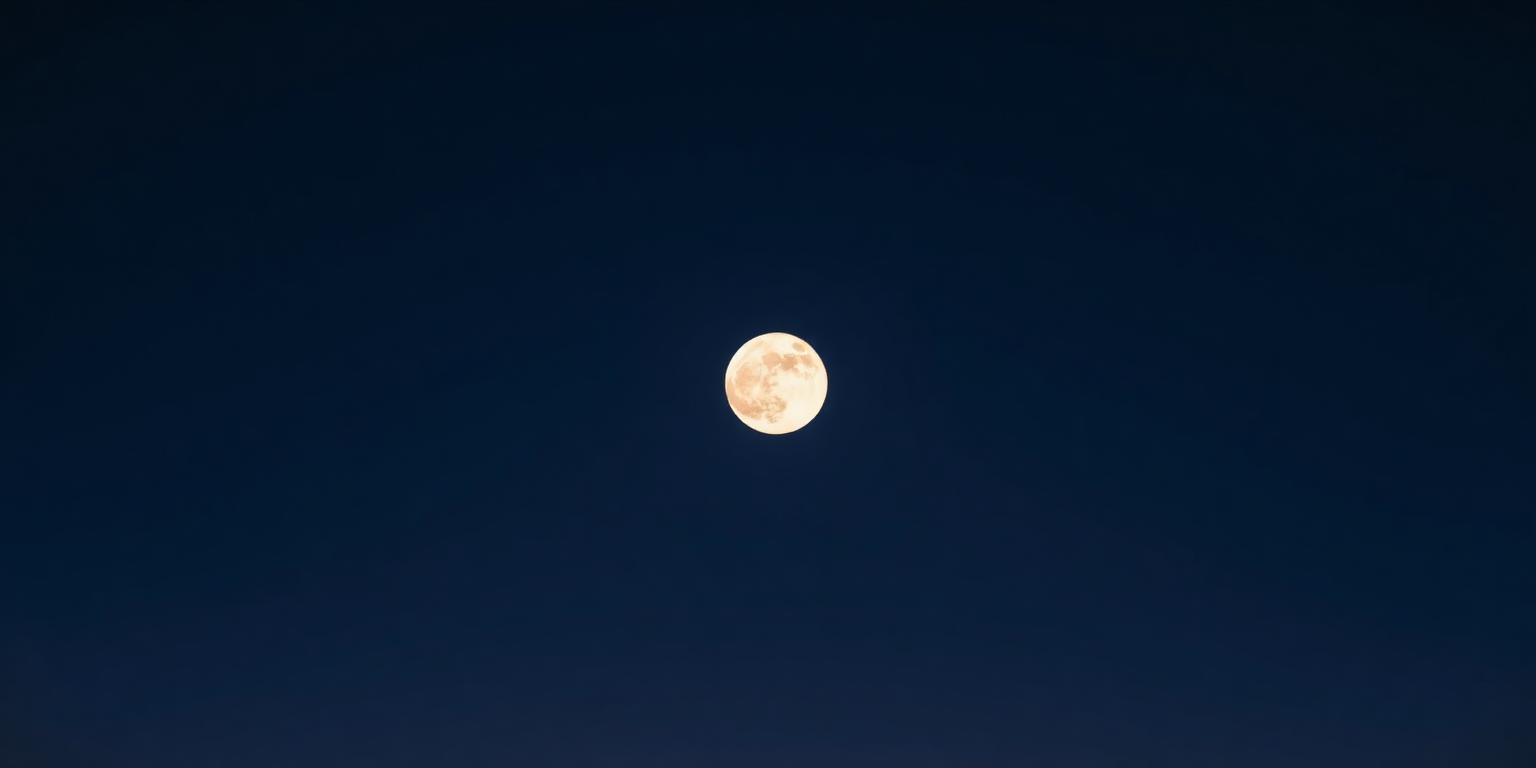
This isn't a claim that the moon causes anxiety, or that any phase makes anxiety better or worse. There's no reliable evidence for that. What this article offers instead is something more modest and more useful: a way to use the predictable, recurring structure of the lunar cycle to build a consistent short mindfulness habit specifically aimed at anxiety — the kind of habit that's easy to plan and easy to remember, because the moon does the reminding for you.
Why anxiety specifically benefits from a recurring structure
Anxiety tends to thrive on unpredictability and open-ended worry — the mind circling a problem without a clear stopping point. Structured, brief, repeated check-ins are one of the more consistently supported tools in cognitive behavioral approaches to anxiety, precisely because they give worry a defined time and place instead of letting it run in the background all day.
A four-phase monthly structure gives you four small opportunities a month to pause, name what's happening in your body and mind, and apply a specific technique — rather than one vague intention to "manage stress better."
The four check-ins
Each one takes 5 to 8 minutes. You don't need to track the exact date — a rough sense of where the moon is in its cycle is enough.
New moon — Naming the current worry (grounding)
Sit quietly. Ask: what is the specific thing my mind keeps returning to right now? Write it down in one sentence, as plainly as possible. Anxiety often feels larger when it stays vague; naming it precisely is itself a regulating act. Follow with one minute of slow breathing, counting the exhale longer than the inhale.
Waxing moon — Separating fact from prediction
Anxious thoughts are often predictions dressed up as facts ("this is going to go badly") rather than things that have actually happened. Take the worry you named at the new moon and sort it into two columns: what you actually know, and what you're predicting. This isn't about forcing positive thinking — it's about seeing the difference between the two, which alone tends to reduce the intensity of the thought.
Full moon — Body scan for physical tension
Anxiety lives in the body as much as the mind — tight shoulders, shallow breathing, a clenched jaw. Spend 5 minutes moving attention slowly from feet to head, simply noticing where tension is held, without trying to force it to relax. Awareness on its own often loosens tension that willpower can't.
Waning moon — Reviewing what actually happened
Look back at the worry you named at the new moon. What actually occurred, compared to what you predicted? This step builds a track record over time — evidence, drawn from your own experience, that most anxious predictions don't play out the way the mind forecasts.
Why this is different from daily anxiety practices
Daily mindfulness or worry-journaling is well supported and works well for many people — this isn't a replacement for that. What a monthly, phase-based structure adds is a slower, longer-arc view: instead of managing anxiety moment to moment, you're tracking a single worry across roughly a month and watching how your own predictions compare to what actually happens. For some people, that slower rhythm is easier to sustain than a daily commitment.
Bring this practice into your month
Discover Pausar Premium → Monthly lunar meditations + a 52-week mindfulness program, at your own pace.
Related reading
- Moon Phase Meditation: A Simple Practice for Every Stage of the Cycle — a companion practice with guided steps for all four phases.
- New Moon Intentions: How to Use the Lunar Cycle for Personal Growth — how to use the new moon as a starting point.
Frequently asked questions
Does the moon actually affect anxiety levels?
There's no reliable scientific evidence that lunar phases directly influence anxiety. This practice uses the moon's predictable four-phase cycle purely as a scheduling structure, not as a claimed cause of anxiety.
Can I do this alongside therapy or medication for anxiety?
Yes — this is a self-guided mindfulness structure, not a treatment. It can complement professional care, but it doesn't replace it. If anxiety is significantly affecting your daily life, a licensed mental health professional is the right first step.
What if I miss a check-in for one of the phases?
Skip it and pick up at the next phase. The value comes from the recurring rhythm over several months, not from perfect adherence to every single check-in.
How is this different from the full moon ritual described elsewhere on this site?
The full moon ritual is a single, longer monthly practice (30–45 minutes) focused on general reflection and release. This practice is anxiety-specific, split into four shorter check-ins across the full cycle rather than one longer session at the full moon.