Moon Meditation: A Complete Guided Practice for Each Phase
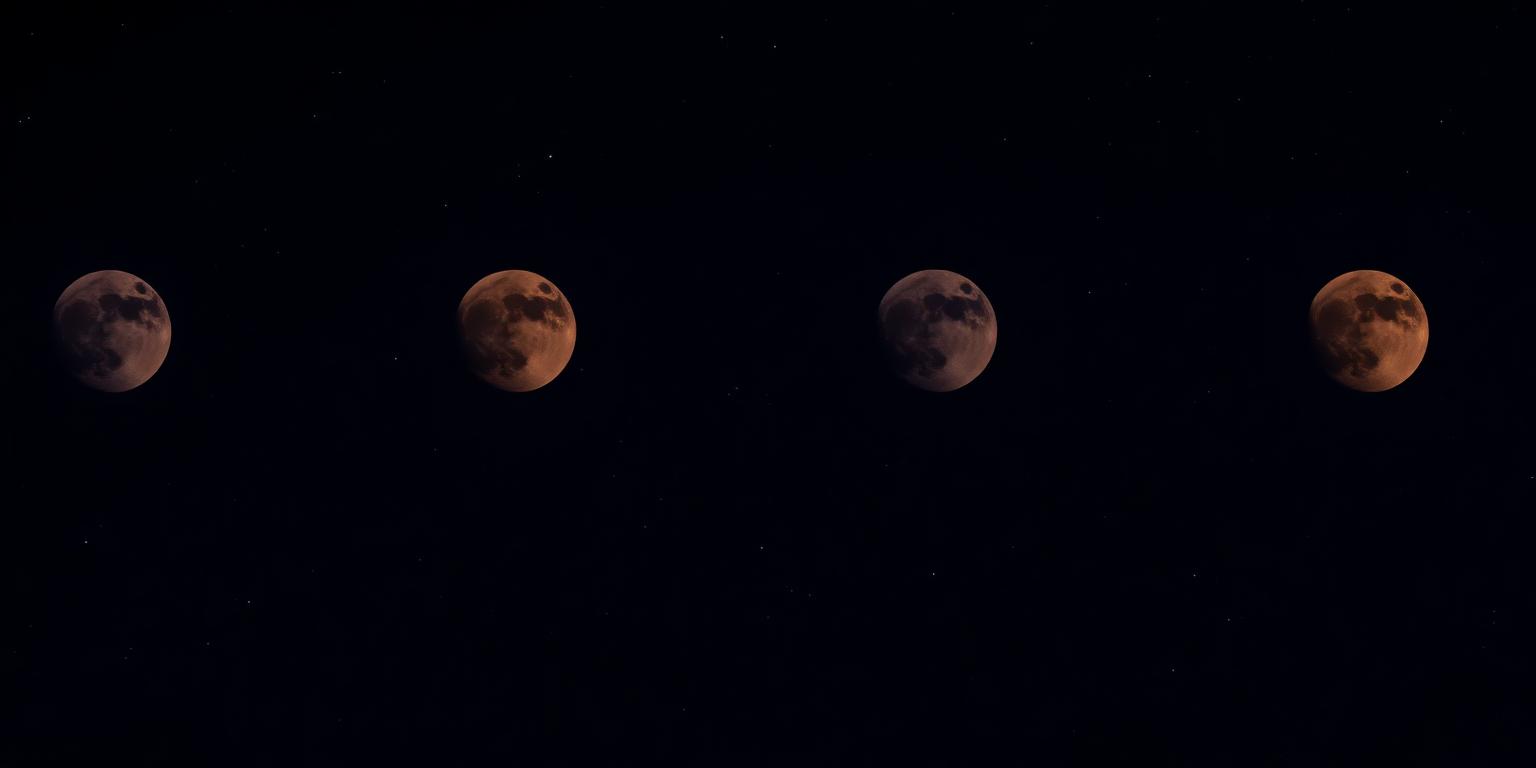
A moon meditation practice is not about the moon. It is about you — using the moon's reliable, visible cycle as a mirror for your own inner rhythms.
The lunar cycle takes approximately 29.5 days. In that time, the moon moves through phases that cultures worldwide have used to organize time, mark transitions, and create containers for reflection. This guide offers a complete practice for each major phase — grounded in mindfulness science, accessible to anyone regardless of background or belief.
New moon meditation — beginning
When: 0–3 days after new moon
Theme: Potential, intention, beginning
Sit in a comfortable position. Close your eyes.
Take three complete breaths — inhaling slowly, exhaling fully. With each exhale, let the body soften a little more.
Bring to mind a blank page. Nothing written yet. No commitments, no obligations, no history. Just open space.
From this openness, ask: What wants to grow in me this month? Not what should grow, or what others expect — what genuinely wants to emerge?
Hold the question without forcing an answer. Sometimes the answer comes as a word, an image, a feeling in the body. Sometimes it doesn't come at all. Both are fine.
If something does arise, hold it with one hand, loosely. It is a seed, not yet a plant.
Close with five slow breaths and the quiet affirmation: I am beginning.
Waxing moon meditation — building
When: 7–14 days after new moon
Theme: Action, momentum, focus
Sit comfortably. Take five breaths, each inhale a little fuller, each exhale a little longer.
Recall the intention you set at the new moon. Or if you didn't, ask now: What am I building this month?
Bring attention to the body. Notice energy, aliveness, sensation. The waxing moon period tends toward increased vitality — honor it by checking in with what is here.
Spend 10 minutes in focused breath meditation. When the mind wanders — as it will — gently return. Each return is a small act of the same intention: building, returning, continuing.
Close by affirming: I am building toward what matters.
Full moon meditation — illuminating
When: 13–17 days after new moon
Theme: Completion, visibility, integration
Begin with a body scan — 5 minutes moving attention slowly from feet to head.
The full moon illuminates. In this meditation, you do the same: you look clearly at what is.
Ask: What has this month revealed about me? Without judgment, simply observe. What surprised you? What challenged you? What are you proud of, even quietly?
Spend 10–15 minutes in open awareness meditation — not focusing on the breath, but simply being present to whatever arises. Sounds, sensations, thoughts, emotions — let them come and go without grasping or pushing away.
This is the practice of full illumination: seeing clearly without needing what you see to be different.
Close by writing one sentence: What this month has shown me is...
Waning moon meditation — releasing
When: 15–29 days after new moon
Theme: Completion, release, rest
This is the quieter half of the cycle. The practice matches it.
Sit in a comfortable, slightly reclined position if possible. Take five slow breaths, each exhale deliberately longer.
Ask: What am I ready to release? Old patterns, old stories, what is no longer serving. You don't need to force release — simply acknowledge what has run its course.
Spend 10 minutes in compassionate body awareness: moving attention through the body and offering each area permission to rest. Consciously soften the jaw, the shoulders, the hands.
Close with the intention: I am making space for what comes next.
Frequently asked questions
How long is each meditation?
Each phase practice takes around 15–20 minutes. The full lunar cycle is approximately 29.5 days, so you would complete four meditations across one month.
Do I need to practice every phase?
No. You can begin with whichever phase feels most accessible — many people start with the new moon (intention) or the full moon (illumination). Consistency over time matters more than completeness.
Is this religious or spiritual?
The practice is grounded in mindfulness science and is accessible regardless of background or belief. It uses the lunar cycle simply as a reliable, visible mirror for inner rhythms.